






















This is the first time the Australian government has acknowledged that the Great Barrier Reef (GBR), the largest coral reef in the world, is experiencing bleaching during a La Niña weather cycle, a phenomenon characterized by cooler than normal sea temperatures.
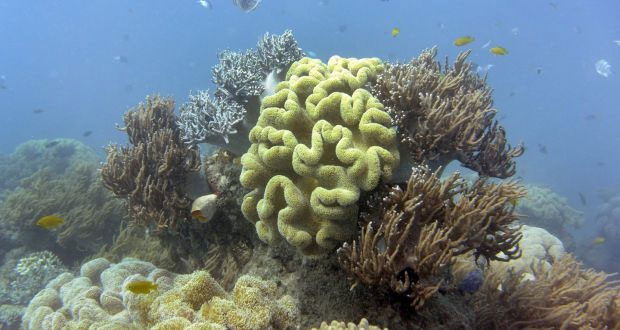
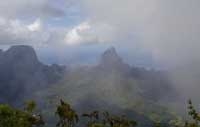
Great Barrier Reef in Australia. (Photo credit: AFP/TTXVN)
The Reef Snapshot report published by the Great Barrier Reef Marine Park Authority on May 10 detailed the damage caused by the fourth mass bleaching event the world’s largest coral reef has experienced since 2016. The report warns: “Climate change is escalating, and the Great Barrier Reef is bearing the consequences.”
The Great Barrier Reef Marine Park Authority conducted extensive surveys of this UNESCO World Heritage-listed reef from September 2021 to March 2022. Scientists found that after the water began to warm in December 2021, all three major regions of the reef experienced bleaching—a phenomenon that occurs when corals are affected, causing changes to the vibrant algae living within them.
The report indicates that while bleached corals are still alive and moderately affected areas may recover, corals that are severely bleached have a higher risk of mortality. Of the 719 surveyed reefs, 654 (91%) showed some level of bleaching.
This report was released 10 days before Australia’s federal election, scheduled for May 21, where voters are particularly concerned about climate change policies.
In June, the United Nations World Heritage Committee will decide whether to place the GBR on the list of “World Heritage in Danger.” Previously, in 2015, when the UN recommended downgrading the GBR’s World Heritage status, Australia planned the “Reef 2050” initiative and allocated billions of dollars for conservation efforts.